
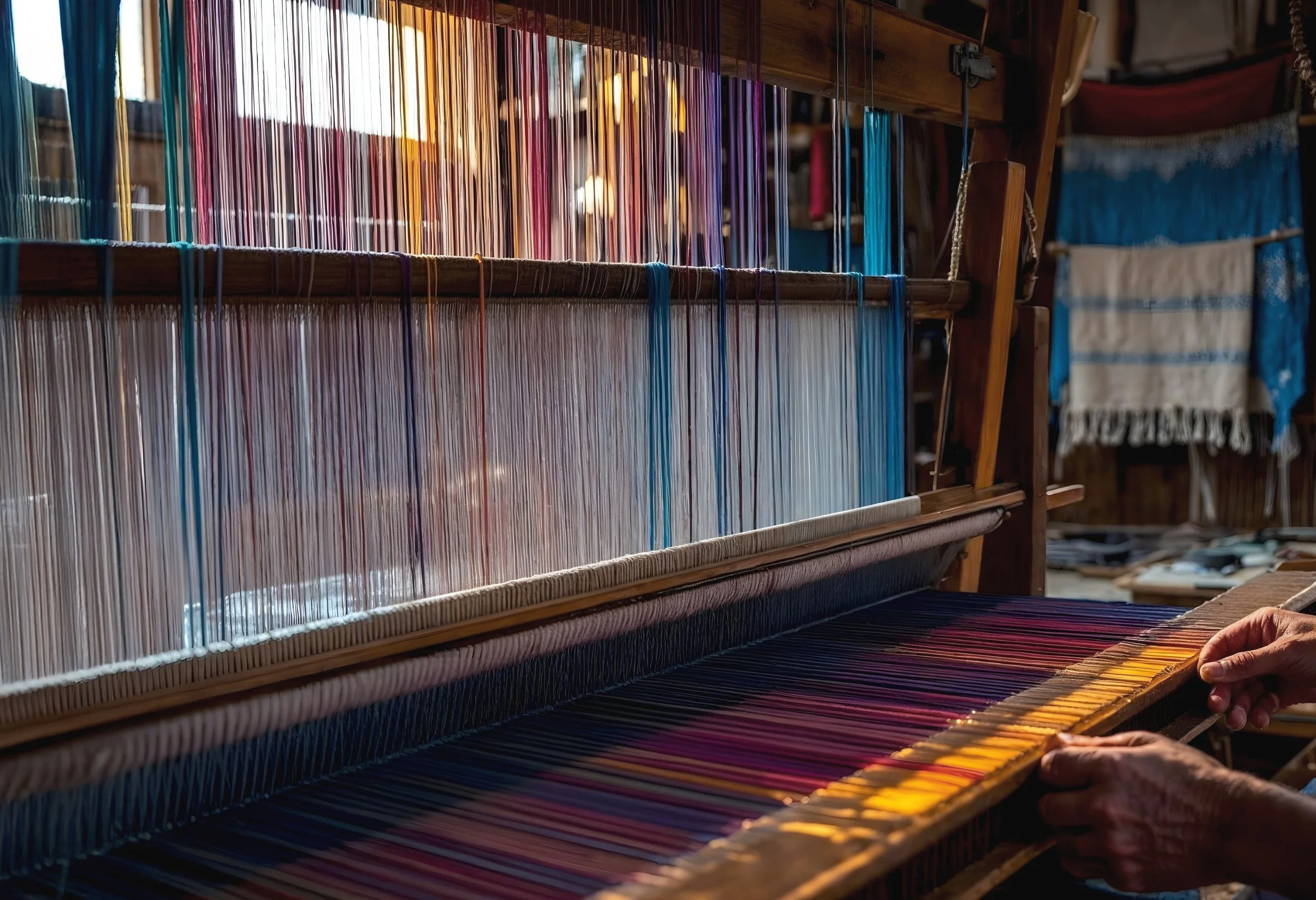
Sustainable Silk: Royal Thai’s Eco-Friendly Practices and Timeless Appeal
When you think about elevating a resort or event space, the conversation often leans towards aesthetics first. But increasingly, especially in hospitality, the question is shifting to “how does it look?” and “how responsibly was it made?” That’s where sustainable silk, particularly from Royal Thai, becomes genuinely compelling.
This isn’t just about fabric. It’s about storytelling, longevity, and making design decisions that align with modern expectations of sustainability, without compromising on visual impact.
A Material Rooted in Heritage, Designed for Today
Thai silk has always carried cultural weight. Its revival and global recognition were strongly influenced by Queen Sirikit, who championed local weaving communities and elevated silk into a symbol of national identity.
That heritage still matters today, especially for resorts and event spaces that want to feel authentic rather than manufactured. Silk is not mass-produced in the same way synthetic materials are. Traditional processes often involve hand-reeling and hand-weaving, resulting in fabrics that are naturally unique and rich in texture.
For a family resort, that translates into something subtle but powerful. Spaces that feel considered, warm, and connected to place.
Royal Thai’s Approach: Sustainability Built Into the Process
What makes Royal Thai particularly relevant is how it bridges heritage with modern sustainability standards.
Their approach isn’t surface-level, it’s embedded in production
Zero waste to landfill since 2017, with leftover materials repurposed into energy through refuse-derived fuel
A low carbon design philosophy, with products designed to last rather than be replaced
International sustainability certifications, ensuring strict environmental and safety standards
Why Silk Works for Family Resorts
Family resorts come with a different challenge. You’re designing for multiple generations at once, not a single audience.
Silk, especially in modern applications like upholstery, wall panels, or soft furnishings, offers a balance :
Visually refined, but not overly formal
Durable when engineered correctly
Comfortable across climates, naturally insulating and breathable
Beyond function, there’s an emotional layer. Natural materials tend to create spaces that feel calmer and more grounded, exactly what families are looking for when they want to feel comfortable.
From a positioning standpoint, sustainability is no longer a “nice to have”. It’s something guests actively notice, particularly international travellers and expats who are increasingly conscious of how and where things are made.
Elevating Events with Quality Materials
Events, especially weddings and private functions, are shifting in the same direction. Guests still notice detail, but they also care about intention.
Using sustainable silk in event design, whether in drapery, table settings, or decorative elements, adds depth. It brings texture and movement that synthetic fabrics often lack, while also carrying a story tied to craftsmanship and community.
Traditional Thai textiles, often produced through village-based weaving systems, also support local economies. That narrative resonates with couples and organisers who want their events to feel more meaningful, not just visually impressive.
The Bigger Picture
Sustainable silk sits at an interesting and welcome crossroads. Traditional, but forward-thinking. Luxurious, but responsible.
For family resorts and events, that combination is incredibly valuable. You’re not just creating a space that looks good in photos. You’re building an environment that feels considered, culturally connected, and aligned with how people want to travel and celebrate today.
And increasingly, that’s what sets a place or event apart.