

How Carpet Supports Acoustics in Hotels and Offices
When designing a hotel or office, flooring is often chosen for its appearance, durability, and ease of maintenance. Yet one of its biggest contributions is something you don't always notice straight away: sound. Good acoustics can make a reception area feel calmer, a meeting room more productive, or a hotel corridor noticeably quieter. That is why carpet continues to play an important role in commercial interiors.
For architects, designers, and facility managers, choosing the right carpet is not just about aesthetics. It is about creating spaces that are more comfortable, functional, and enjoyable to use.
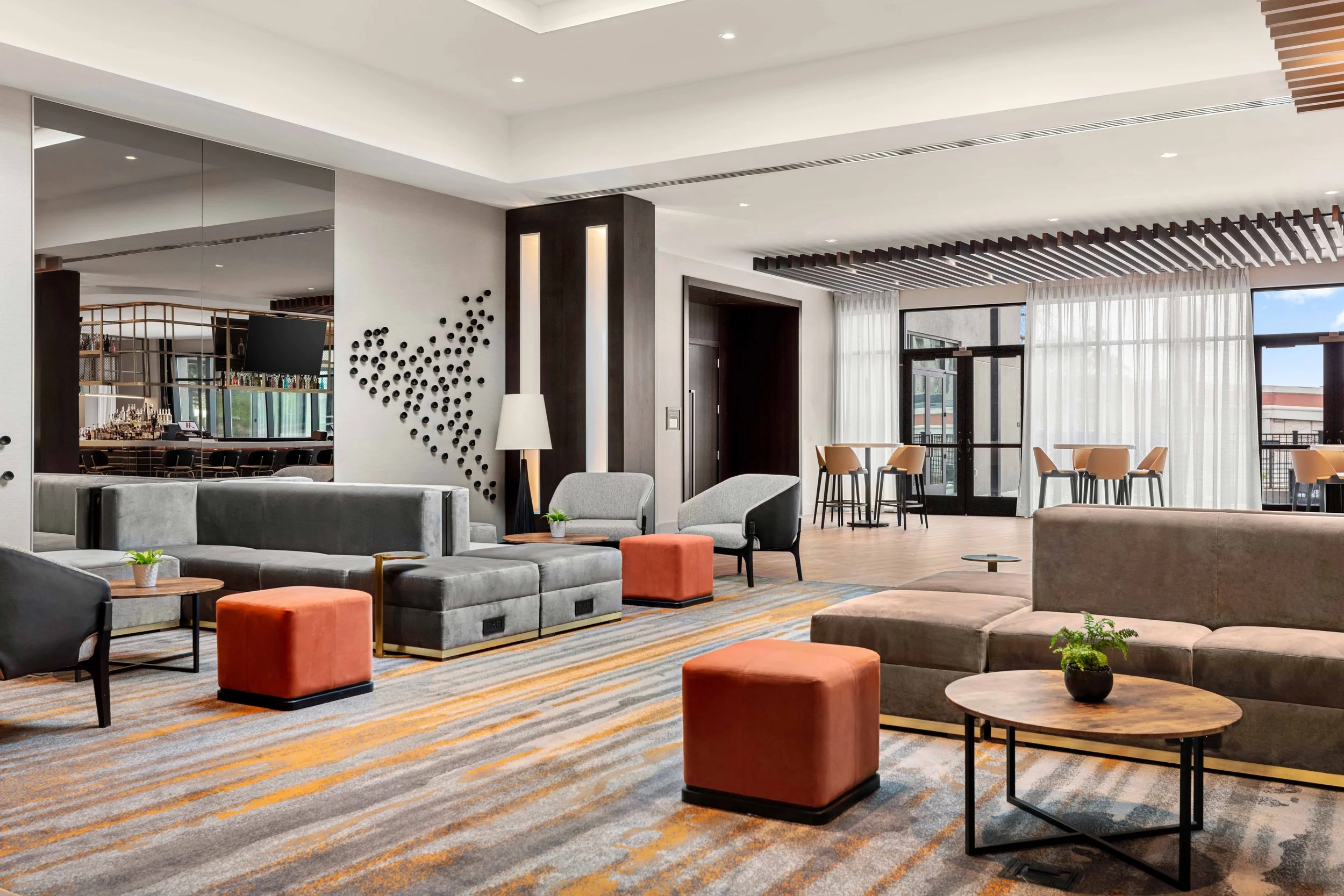
Why Acoustics Matter
Noise affects how people experience a space. In hotels, unwanted sound can disrupt sleep, reduce guest satisfaction, and influence online reviews. In offices, constant background noise makes it harder to concentrate, communicate, and collaborate effectively.
Hard flooring materials such as tile, stone, and polished concrete reflect sound waves. This allows noise to travel further, creating echoes and increasing the overall sound level within a building. Carpets work differently. Its fibres absorb sound energy rather than reflecting it, helping to create a quieter environment.
Reducing Noise at the Source
One of carpet's biggest acoustic advantages is its ability to reduce impact noise. Every footstep, rolling suitcase, office chair, or service trolley creates sound as it comes into contact with the floor.
In hotels, this is particularly valuable in guest room corridors and upper floors, where noise from above can easily disturb guests below. In office environments, carpet helps reduce the sound of employees walking between desks, moving chairs, or transporting equipment throughout the day.
The result is a space that feels calmer without requiring additional acoustic treatments.
Improving Speech Clarity
Acoustics are not only about making spaces quieter. They are also about making conversations easier to understand.
Meeting rooms, conference facilities, hotel lounges, and reception areas all benefit from reduced reverberation. By absorbing excess sound, carpet helps limit echoes that can make speech less clear, particularly in large open spaces.
This creates more comfortable environments for meetings, customer interactions, and everyday communication, while reducing listening fatigue during longer conversations.

Supporting Modern Open Plan Spaces
Open plan offices remain popular because they encourage collaboration, but they also create acoustic challenges. Conversations, phone calls, and movement can quickly become distracting when sound travels freely across large areas.
Similarly, many modern hotels feature open lobbies, restaurants, and flexible event spaces where multiple activities take place at the same time.
Installing commercial carpet helps absorb background noise and creates more defined acoustic zones without changing the overall layout. Combined with other design elements such as acoustic ceilings or wall panels, carpet becomes an important part of an effective sound management strategy.
Performance Beyond Comfort
The acoustic benefits of carpet also contribute to the overall perception of quality. Quiet spaces often feel more luxurious, more professional, and better maintained than noisy ones.
For hotels, this can enhance the guest experience from check in through to departure. For offices, it supports employee wellbeing, productivity, and workplace satisfaction, all of which have become increasingly important when designing modern work environments.
Choosing a high performance commercial carpet also delivers practical advantages including durability, comfort underfoot, and long term value, making it a solution that performs on multiple levels.
A Smarter Flooring Choice
When selecting flooring for hotels and offices, acoustics should be considered alongside appearance and durability. A well-designed carpet does far more than complete the look of a room. It helps create quieter guest rooms, more productive offices, and more welcoming shared spaces.
As expectations around workplace wellbeing and guest experience continue to grow, commercial carpet for hotels and office carpet solutions remain one of the simplest and most effective ways to improve the acoustic performance of a building while maintaining a professional and attractive interior.