
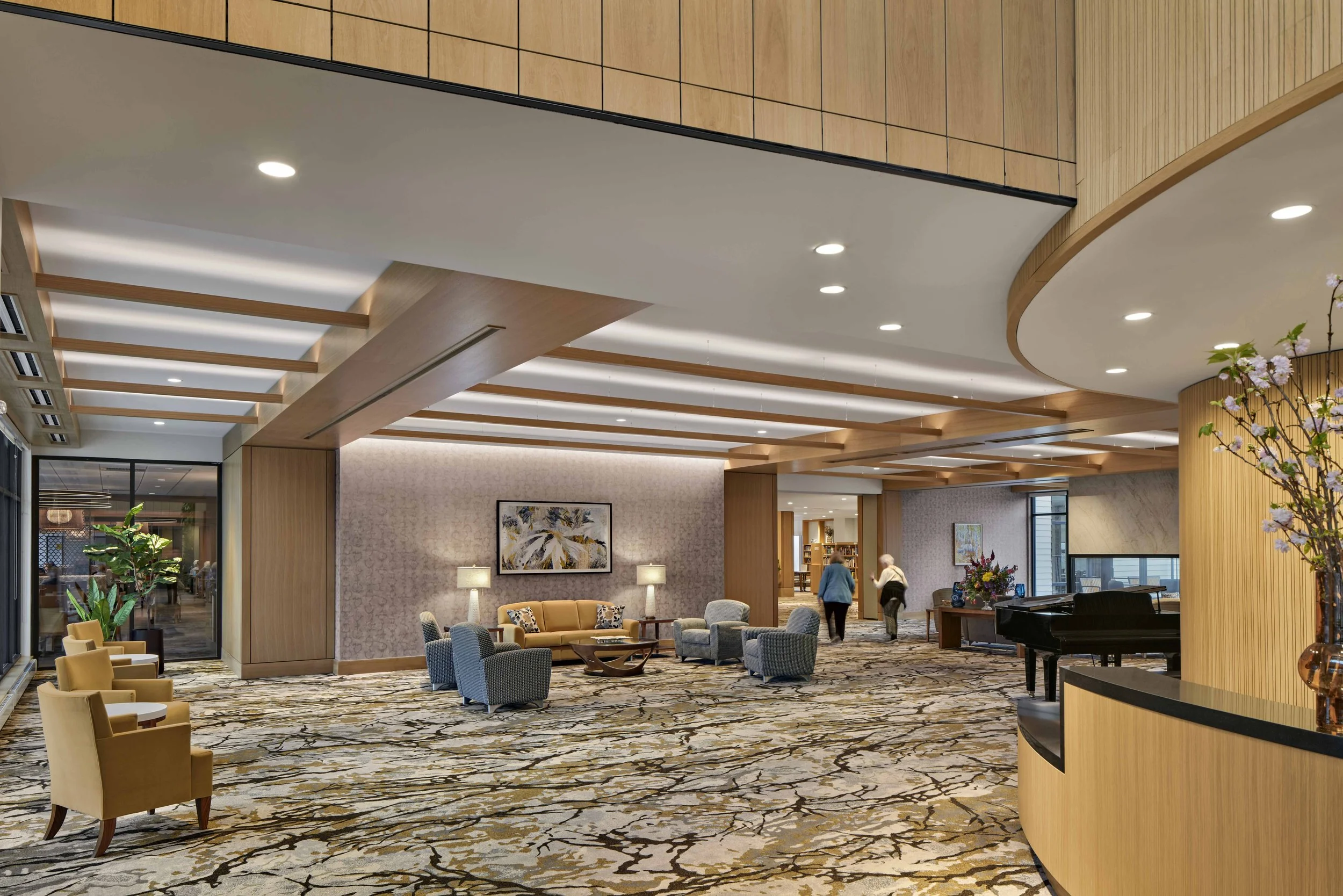
The Hospitality Carpet Specification Matrix: Choosing the Right Construction for Every Hotel Zone
Choosing the right commercial carpet for a luxury hotel requires balancing foot traffic, acoustic dampening, and aesthetic impact. Using the wrong pile construction or fiber in a high-traffic zone can lead to premature pile flattening, while over-specifying in low-traffic areas inflates project budgets.
This guide breaks down carpet specification by hotel zone, comparing Cut Pile, Loop Pile, and Cut & Loop constructions to help hoteliers and interior designers maximize durability and design. Pictured: The Baldwin
Axminster Weaving: The Hospitality Gold Standard
High-Traffic Zones
Axminster weaving is a specialized loom technique in which individual tufts of yarn are inserted and locked into the backing structure during the weaving process itself — unlike tufting, where pile is needled through a pre-woven backing. This fundamental difference gives Axminster carpets their defining characteristics:
Pile Lock: Each tuft is mechanically secured, preventing pile pull-out under heavy rolling loads
Pattern Precision: Individual tuft insertion allows complex multi-color patterns with sharp definition across the full carpet width
Structural Integrity: The unified weave structure distributes stress evenly, extending service life in the most demanding zones
Broadloom vs. Modular
Woven Broadloom Axminster is produced in widths up to 4 meters, minimizing seams across large floor areas — essential for ballrooms and atriums where pattern continuity is paramount.
Modular Axminster tiles offer the same weave quality in a format that allows selective replacement of worn or damaged sections, reducing long-term maintenance costs in ultra-high-traffic zones like main lobbies.
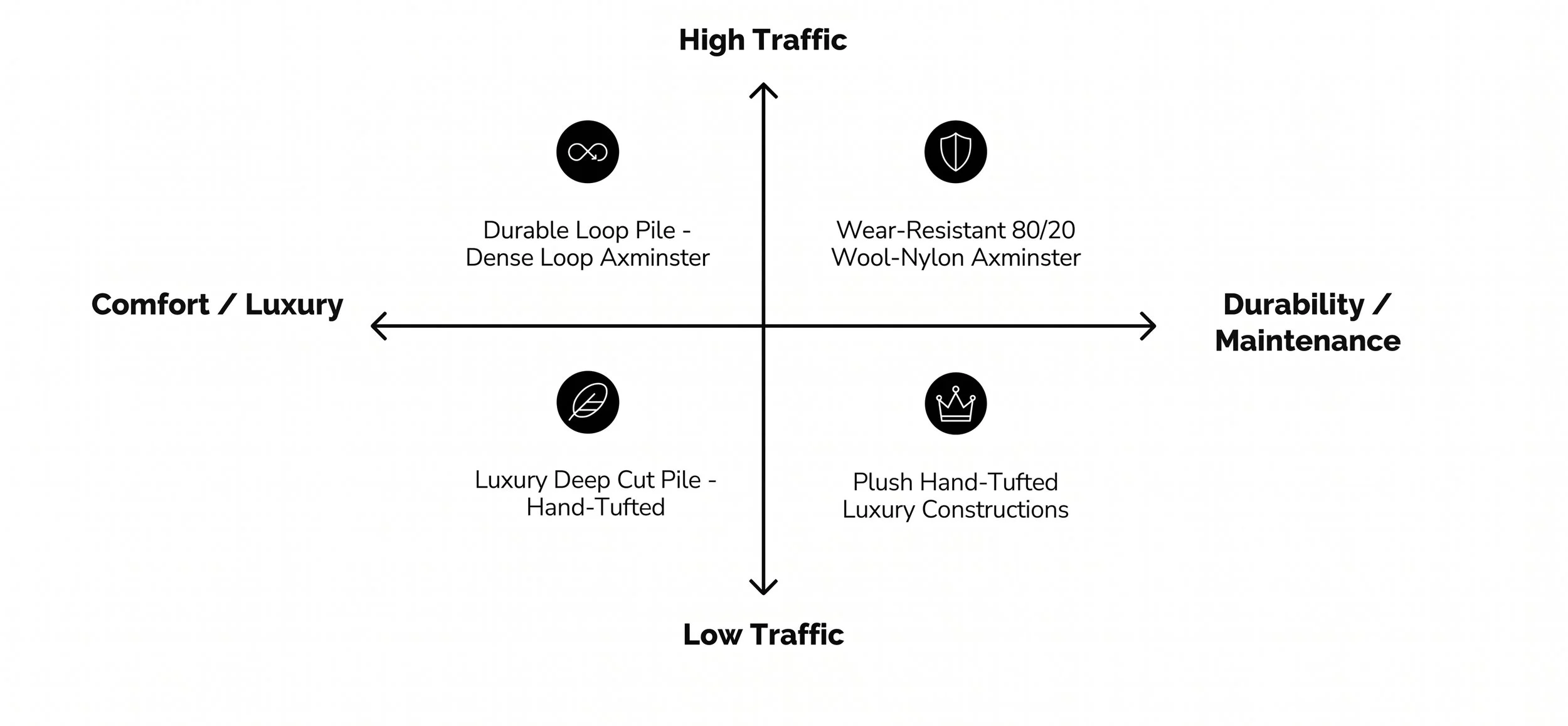
High-Traffic vs. Low-Traffic Specification
Matching construction type to traffic intensity is the single most important decision in hospitality carpet specification. Over-specifying wastes budget; under-specifying accelerates replacement cycles and disrupts hotel operations.
High-Traffic Zones
Require high-density 80/20 wool-nylon woven Axminster or dense loop pile . The priority is crush resistance, acoustic performance, and long-term appearance retention under constant directional foot traffic. Lobbies, corridors, and elevator lobbies fall into this category.
Low-Traffic Zones
Favor deep cut pile or hand-tufted constructions. The priority shifts to underfoot comfort, visual luxury, and design bespoke-ness. Guest rooms, presidential suites, and VIP lounges benefit most from these softer, more indulgent constructions.
Zone-by-Zone Carpet Specification Guide
Carpet specification in hospitality must match the operational demands of each zone, pairing high-density woven Axminster with heavy-traffic public spaces and bespoke hand tufted carpets with luxury VIP suites.
Hotel Zone
Main Lobbies & Atriums
Woven Broadloom Axminster/Modular Axminster
Corridors & Guest Elevators
High-Density Axminster (80/20 Wool/Nylon)
Key Specification Drivers
Maximum foot traffic resistance, heavy rolling loads, high pattern complexity
Constant directional traffic, acoustic attenuation, resistance to pile crushing
Ballrooms & Function Halls
Woven Broadloom Axminster
Large seam-free visual expanse, stain resistance, high static load capacity
Guest Rooms & Suites
Recommended Construction
Machine-Tufted Cut Pile or Cup & Loop
Underfoot comfort, cost efficiency, warm aesthetic texture
Presidential Suites & VIP Lounges
Hand Tufted Luxury Carpets (Wool/Silk/Nylon)
Complete design freedom, plush pile height, visual luxury
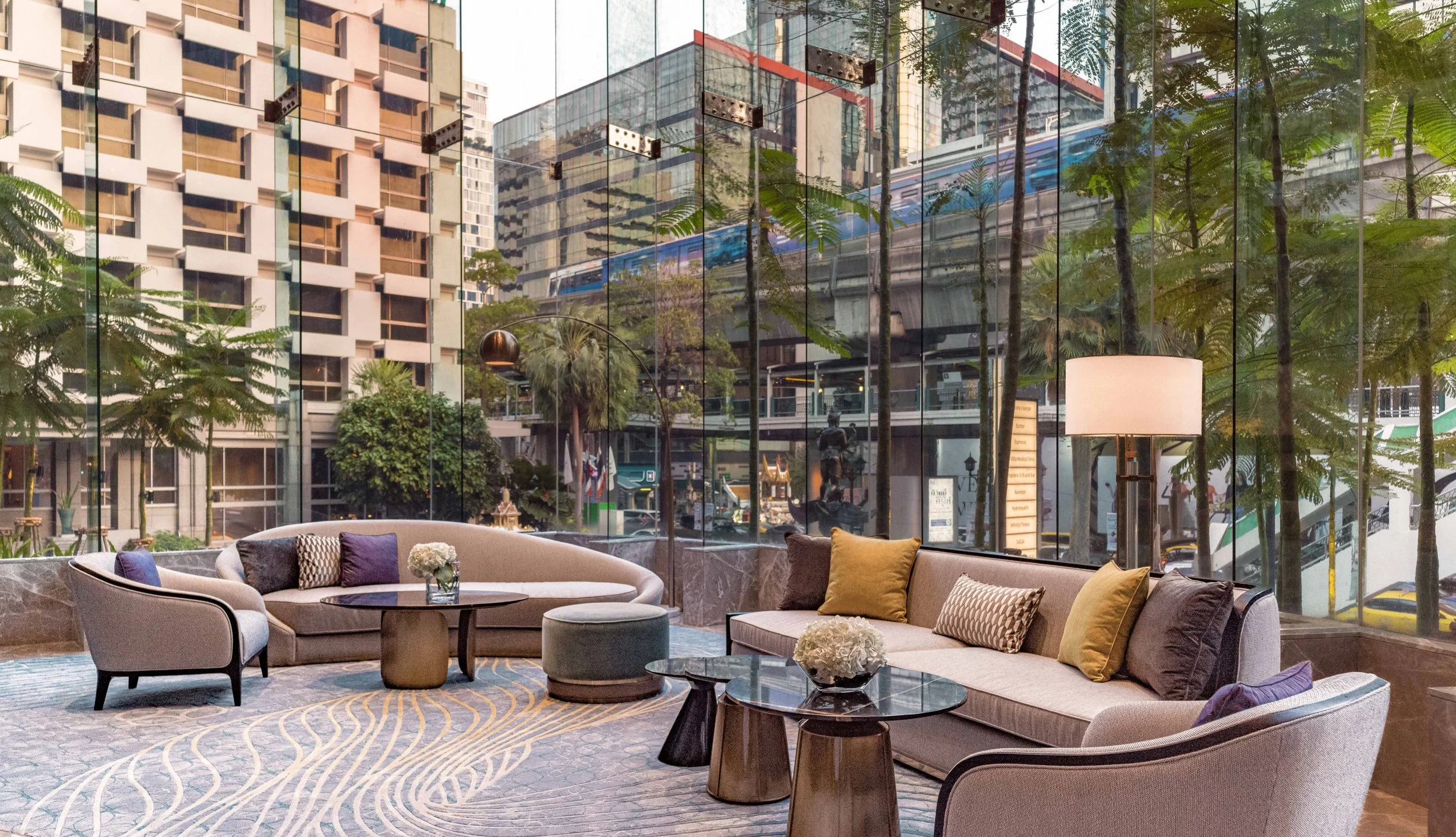
Main Lobbies & Atriums
The hotel lobby is the highest-traffic zone in any property and demands the most robust carpet specification. Woven Broadloom Axminster and Modular Axminster are the gold standard for this environment, engineered to withstand maximum foot traffic, heavy rolling loads from luggage trolleys, and the visual complexity required for a grand first impression.
Pictured: InterContinental Bangkok
Foot Traffic Resistance
Axminster weave locks pile yarn into the backing, preventing pile pull-out under the heaviest pedestrian loads.
Rolling Load Capacity
Dense construction withstands luggage trolleys, housekeeping carts, and event equipment without permanent deformation.
Pattern Complexity
Axminster weaving supports intricate multi-color patterns and custom motifs that reinforce brand identity at scale.
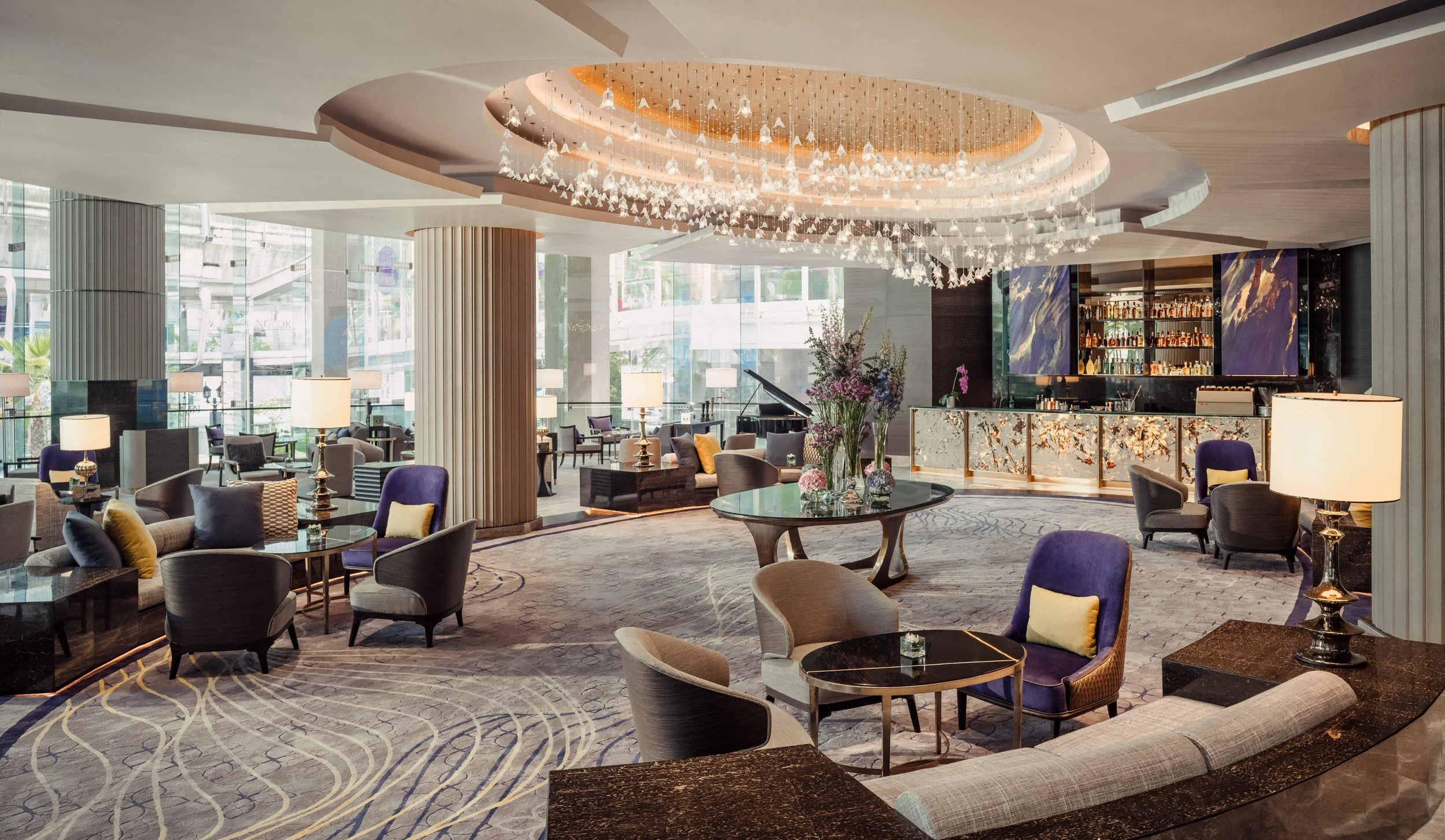
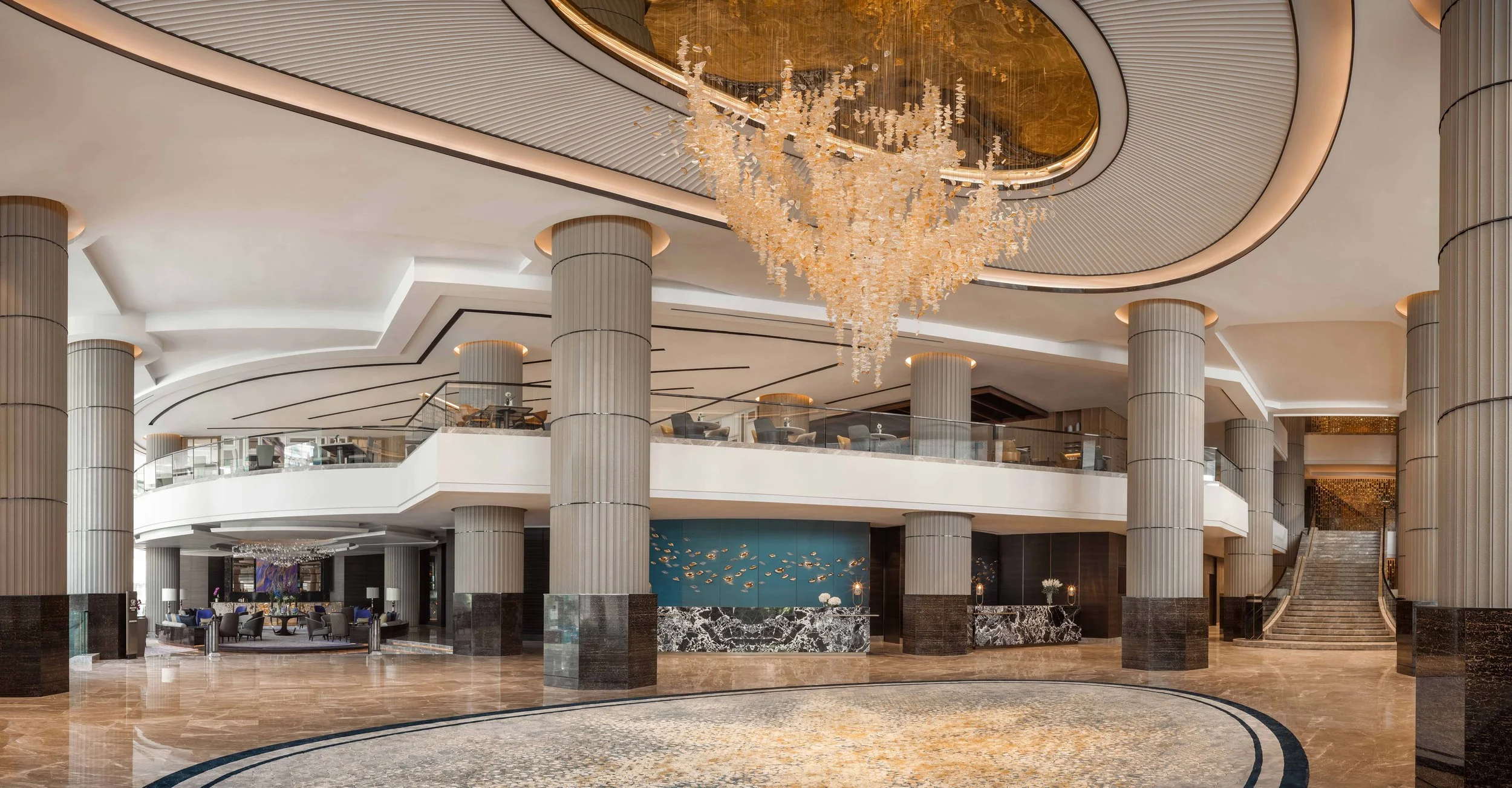
InterContinental® Ratchaprasong — Bangkok, Thailand
Reimagined in 2023, the exquisite InterContinental Bangkok, located in the Ratchaprasong area. The interior is inspired by the traditional floating flowers, featured across artwork, tufted carpets and rugs, and Thai silk embroidered bedheads.
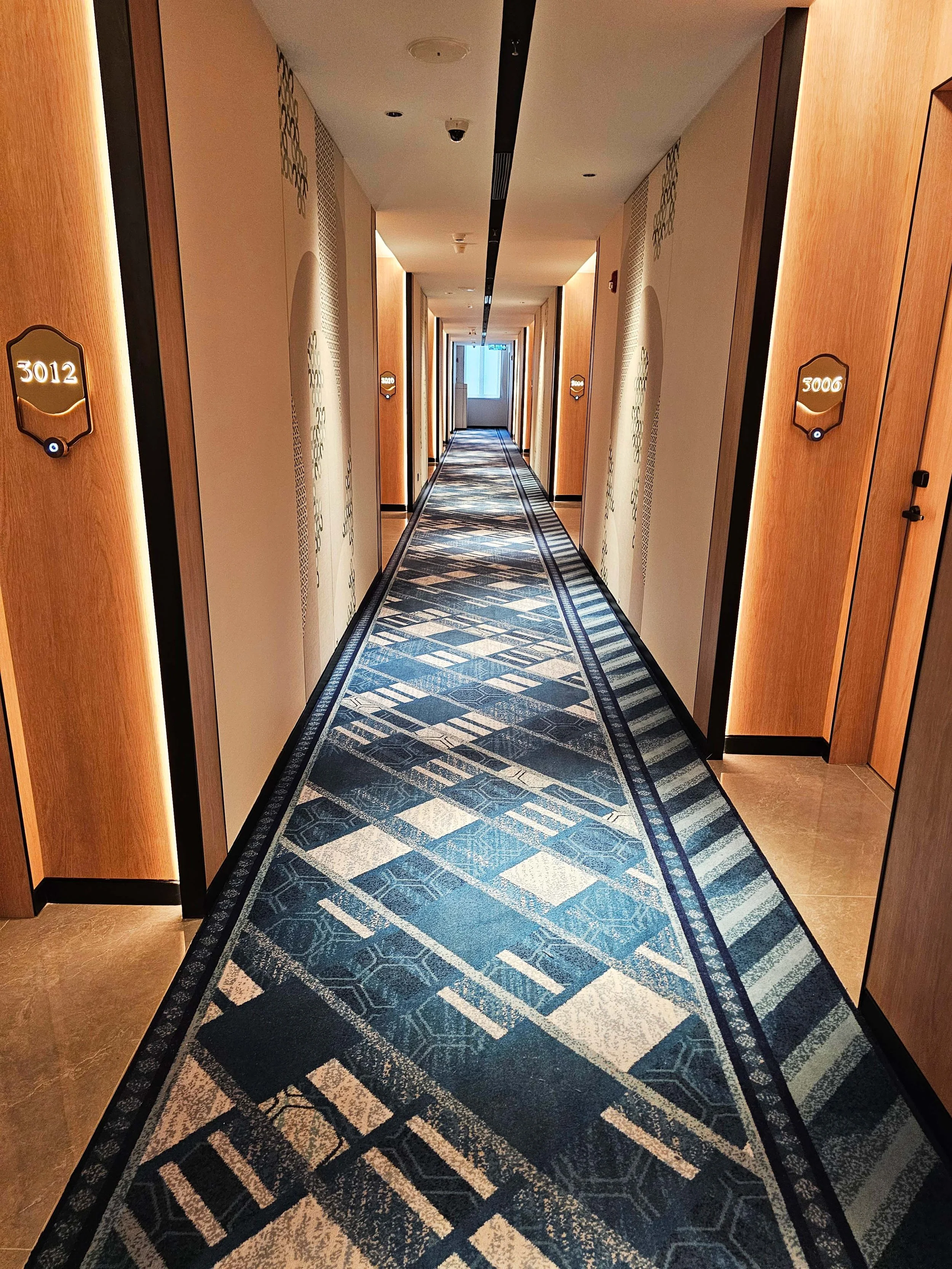
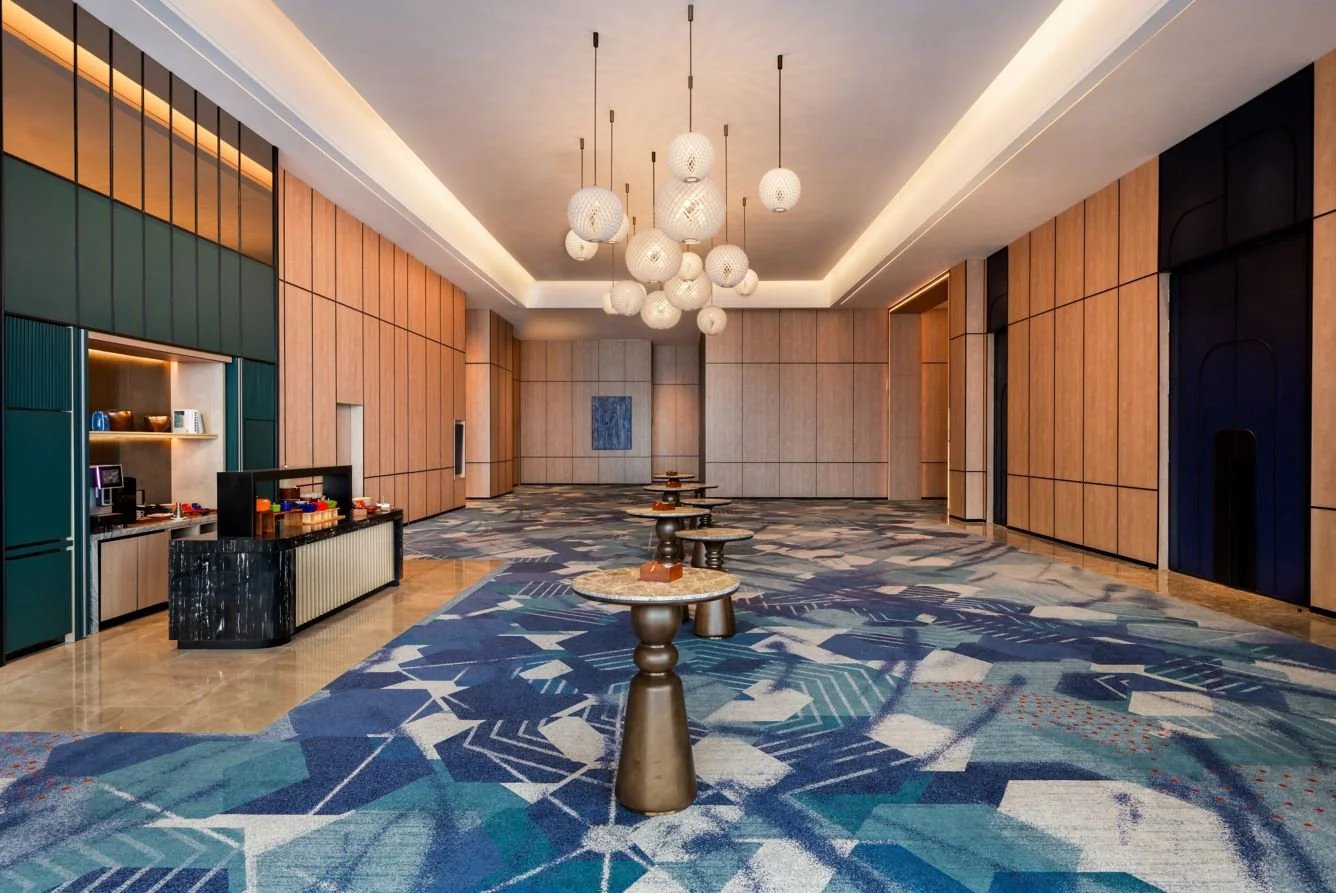
Corridors & Guest Elevators
Hotel corridors experience constant, directional foot traffic throughout the day and night. The repetitive linear movement pattern makes corridors uniquely susceptible to pile crushing and wear tracking. High-Density 80/20 Wool-Nylon Axminster is the industry benchmark for this zone. Pictured: Iconic Marjorie Hotel, Penang
Recommended Specification
High-Density Axminster
80/20 Wool/Nylon Blend
Acoustic Attenuation
Dense pile absorbs impact sound, reducing footfall noise transmission to guest rooms below.
Pile Crush Resistance
The nylon component (20%) reinforces the wool fiber's natural resilience, maintaining pile height under constant directional load.
Directional Pattern Design
Corridor carpets benefit from non-directional or geometric patterns that disguise wear tracking and soil accumulation along the central traffic lane.
Managing Pile Flattening in Hotel Corridors
Corridor pile flattening is one of the most common performance complaints in hospitality carpet installations. The repetitive, directional nature of corridor traffic concentrates wear along a narrow central lane, accelerating pile crush far faster than in open-plan spaces. Three key strategies minimize this effect:
Specify Dense 80/20 Wool/Nylon Axminster
The nylon component reinforces the wool fiber's natural resilience, maintaining pile height under sustained directional load. Higher pile density (measured in tufts per square inch) directly correlates with crush resistance — never compromise on density specification for corridor installations.
Utilize Firm Commercial Underlays
A dense, firm commercial underlay provides a stable foundation that prevents pile from being driven down into a soft substrate. Avoid foam underlays in corridors; specify rubber or felt-rubber composites rated for heavy commercial use.
Schedule Regular Dual-Motor-Beater-Bar Vacuuming
A dual-motor beater-bar vacuum system agitates and lifts pile fibers during each cleaning cycle, counteracting the progressive flattening caused by foot traffic. Daily vacuuming in high-traffic corridors is the minimum recommended frequency.
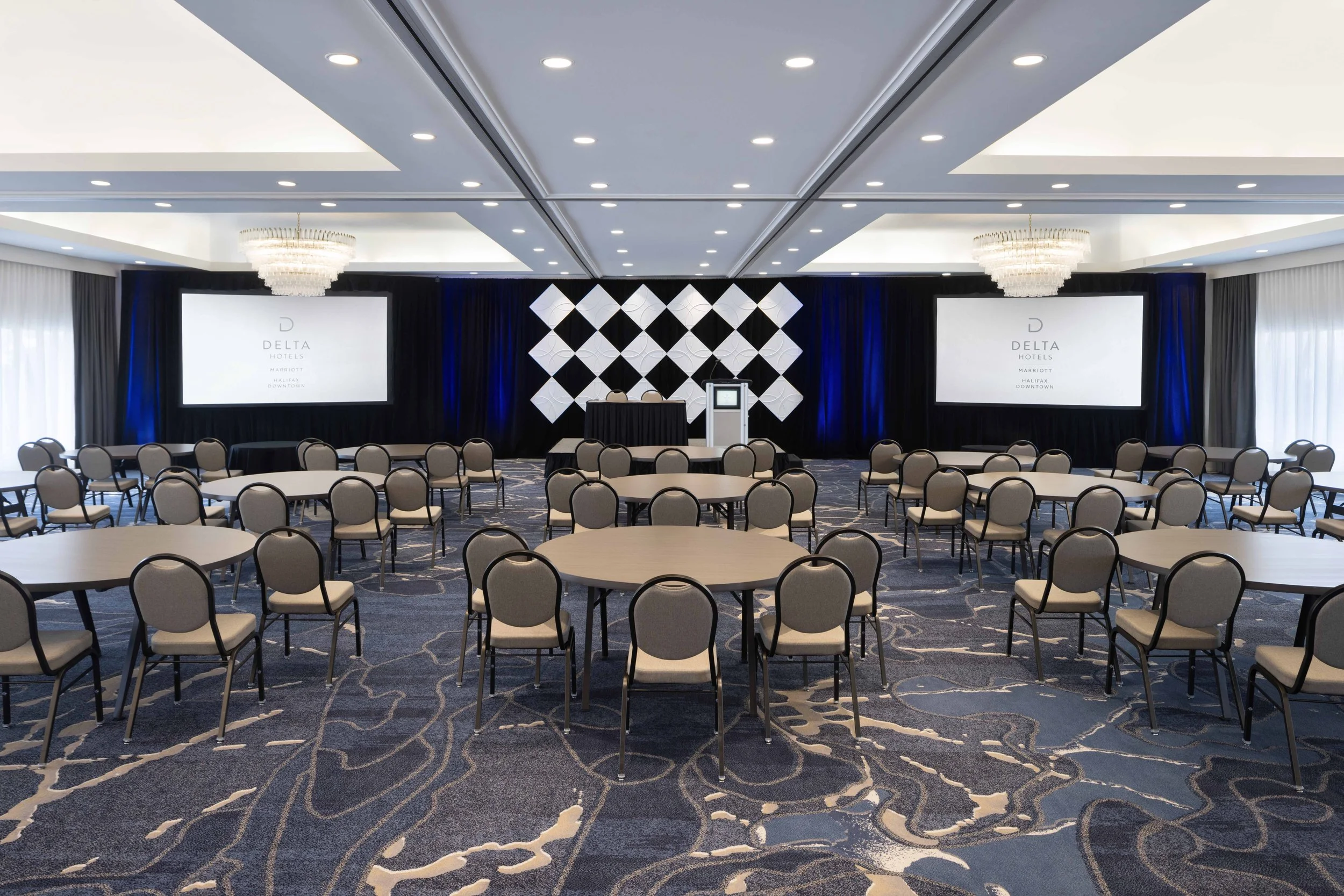
Ballrooms & Functional Halls
Ballrooms and function halls present a unique specification challenge: they must perform under heavy static loads from banquet furniture and event equipment, while delivering a seamless, visually expansive aesthetic across very large floor areas. Woven Broadloom Axminster is the definitive specification for this zone. Pictured: Delta Halifax
Seam-Free Visual Expanse
Broadloom widths up to 4 meters minimize visible seams across large ballroom floors, preserving the integrity of complex pattern repeats.
Stain Resistance
Wool’s natural lanolin coating provides inherent stain resistance, critical in food and beverage service environments where spills are frequent.
Static Load Capacity
High-density Axminster construction resists permanent indentation from banquet chairs, staging equipment, and AV rigs left in place for extended periods.
Guest Rooms & Suites
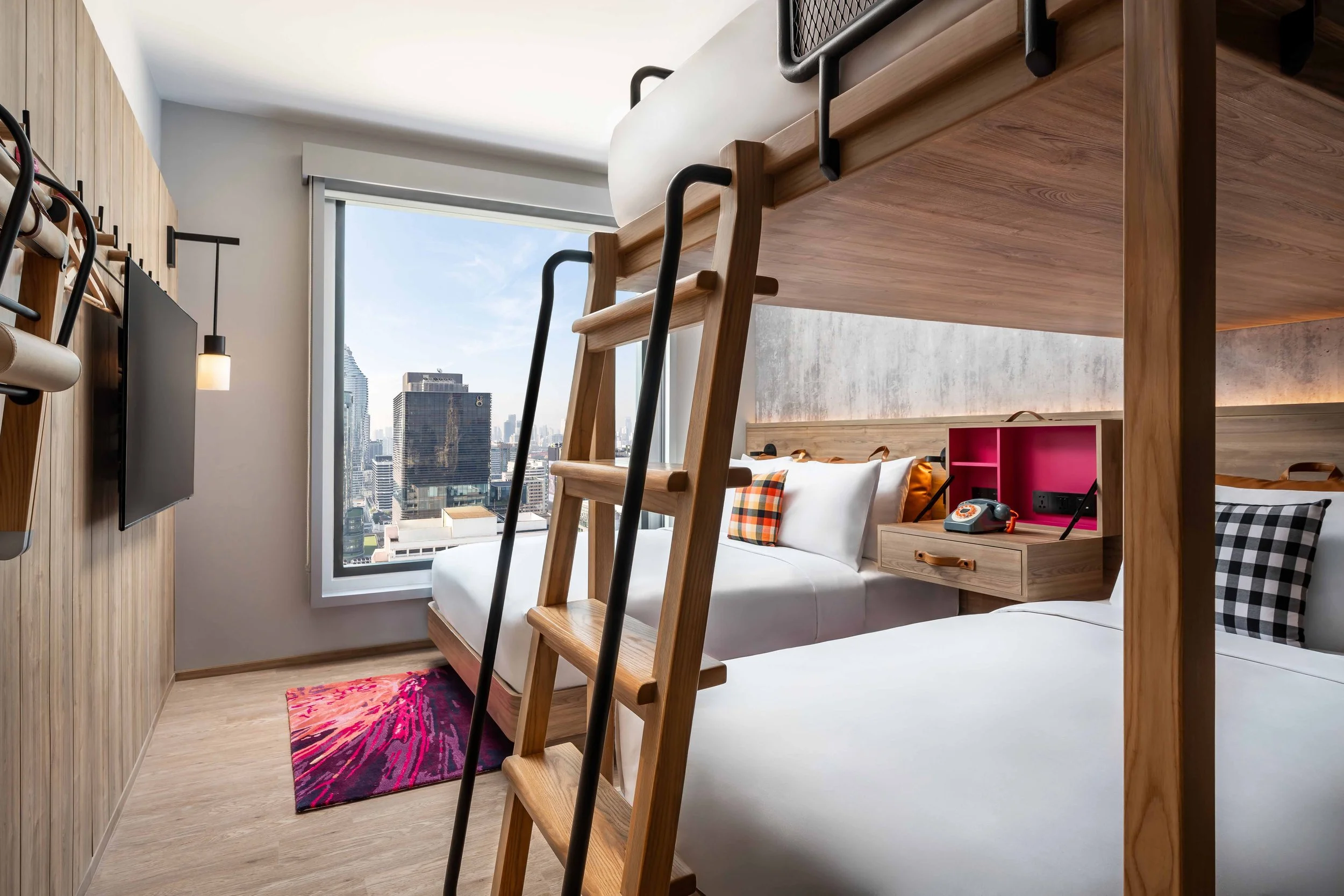
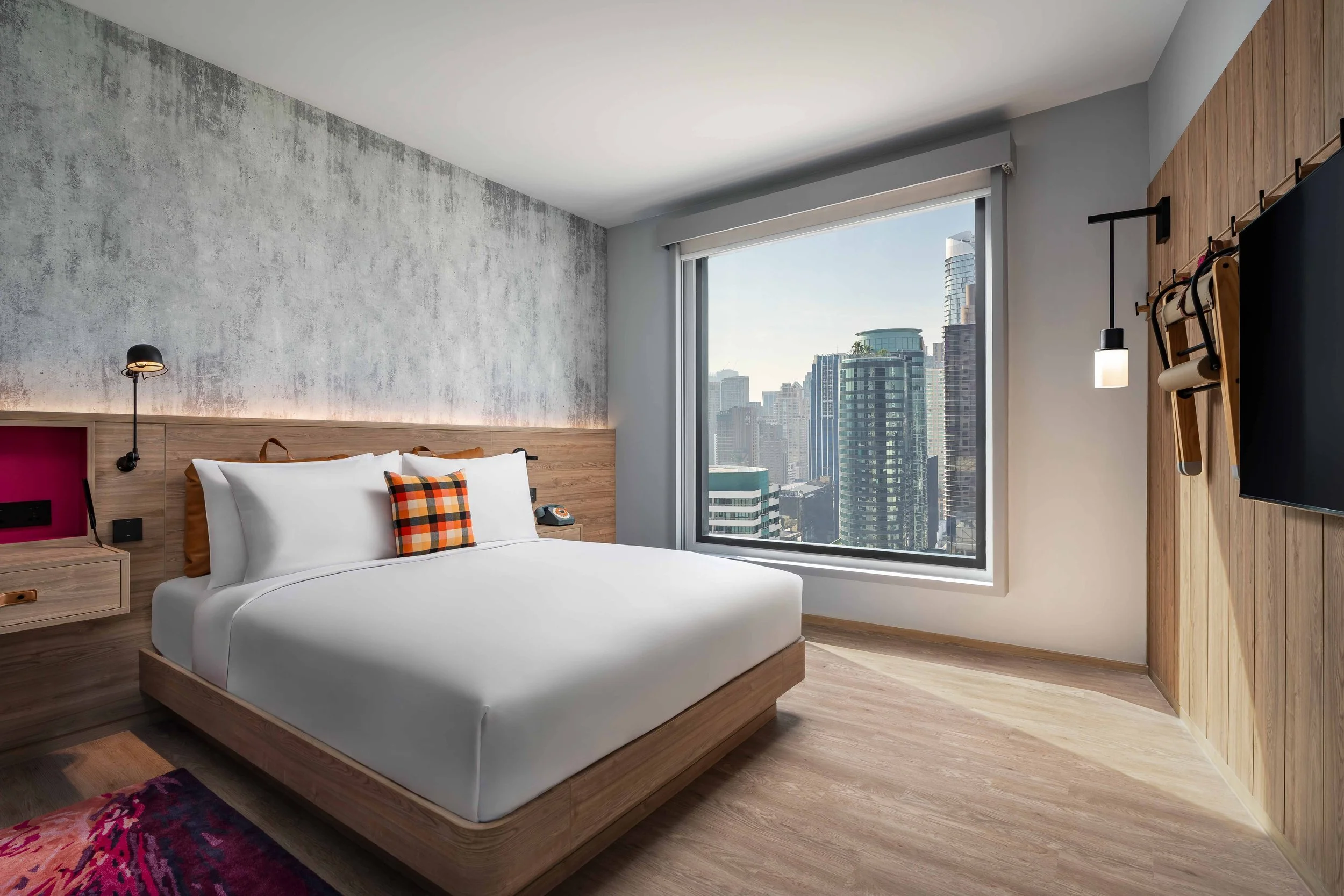
Guest rooms and standard suites represent the largest carpet area by square footage in most hotel properties. Specification here must balance underfoot comfort, aesthetic warmth, and cost efficiency across potentially hundreds of identical installations.
Machine-Tufted Cut Pile and Cut & Loop constructions are the preferred solutions, offering a compelling combination of softness, design flexibility, and value.
Cut Pile
Delivers the plush, soft underfoot feel that guests associate with luxury, enhancing perceived room quality.
Cut & Loop
Introduces subtle texture and pattern that adds visual interest while disguising minor soiling between housekeeping cycles.
Cost Efficiency
Machine-tufted constructions offer significantly lower cost per square meter than woven Axminster, making them ideal for large-scale room rollouts.
Presidential Suites & VIP Lounges
The highest tier of hotel accommodation demands carpet that functions as a design statement in its own right. Hand-Tufted Luxury Carpets in wool, silk, and nylon blends are the specification of choice for presidential suites and VIP lounges, where no compromise is made between aesthetics and performance.

Complete Design Freedom
Hand tufting allows bespoke patterns, custom colorways, and unique motifs that cannot be replicated by machine production — each carpet is a one-of-a-kind artwork.
Plush Pile Height
Deep pile heights of 12mm and above deliver an unmatched underfoot sensation, signaling exclusivity and indulgence to the most discerning guests.
Visual Luxury
Silk yarn blends introduce a natural sheen and light-reflective quality that elevates the entire room's aesthetic, complementing fine furnishings and art.
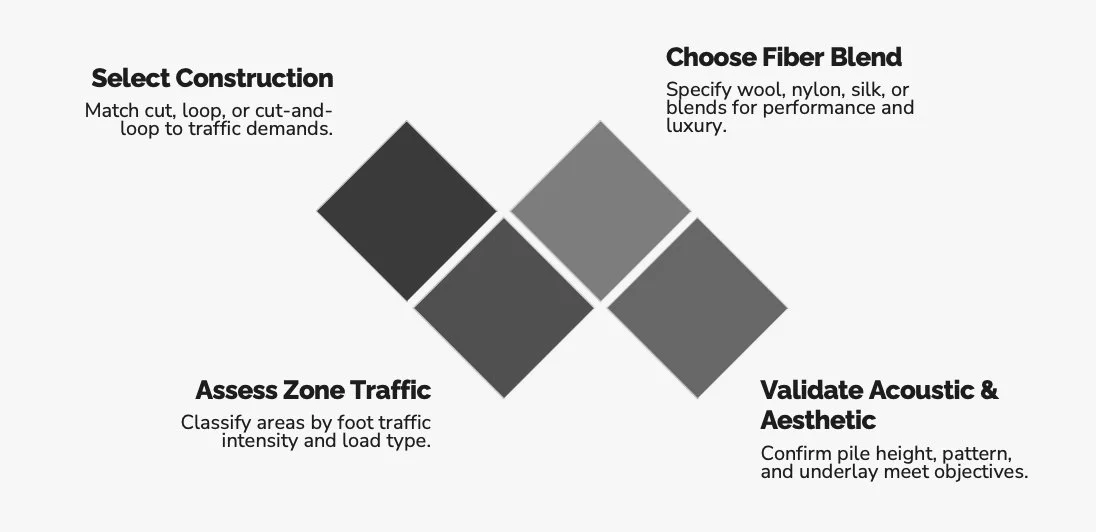
1: Access Zone Traffic
Classify each hotel area by foot traffic intensity, load type (pedestrian, rolling, static), and operational pattern (directional corridor vs. open-plan lobby).
2: Select Construction Type
Match cut pile, loop pile, or cut & loop construction to the traffic demands and aesthetic objectives of each zone using the specification matrix.
Applying the right carpet specification across a full hotel property requires a systematic decision process that weighs traffic intensity, acoustic requirements, aesthetic objectives, and budget constraints simultaneously.
Specification Design Framework
3: Choose Fiber Blend
Specify wool, nylon, silk, or blended fiber based on the performance requirements and luxury positioning of each zone.
4: Validate Acoustic & Aesthetic Requirements
Confirm pile height, pattern complexity, and underlay specification meet both acoustic performance targets and design objectives before finalizing the specification.
Fiber Specification: Wool vs. Nylon vs. Silk
Fiber selection is inseparable from construction type in hospitality carpet specification. Each fiber offers distinct performance and aesthetic properties that must match the demands of the hotel zone.
Wool
The natural benchmark for luxury hospitality carpet. Inherent stain resistance via lanolin coating, natural flame retardancy, superior resilience, and a warm aesthetic. The dominant fiber in high-quality Axminster weaves.
Nylon
The performance workhorse. Exceptional abrasion resistance, crush recovery, and colorfast dyeing. Used as the 20% component in 80/20 wool-nylon blends to reinforce corridor and lobby carpets against heavy traffic.
Silk
The ultimate luxury fiber. Natural sheen, extraordinary softness, and a light-reflective quality unmatched by synthetic alternatives. Reserved for hand-tufted presidential suite and VIP lounge installations where cost is secondary to visual impact.
Acoustic Performance in Hospitality Carpet
Acoustic performance is a frequently underweighted specification criterion in hospitality carpet selection, yet it directly impacts guest satisfaction scores. Carpet is the single most effective floor covering for impact sound reduction in multi-story hotel buildings.
Impact Sound ReductionDense pile absorbs the impact energy of footfall before it can transmit through the floor structure to rooms below. High-density 80/20 wool-nylon Axminster in corridors is particularly effective at attenuating the repetitive impact noise of guest foot traffic.
Underlay ContributionA firm commercial underlay adds a secondary acoustic barrier beneath the carpet face. Rubber and felt-rubber composite underlays provide the best combination of acoustic performance and pile support for corridor and lobby installations.
Airborne Sound AbsorptionIn ballrooms and function halls, carpet pile absorbs airborne sound energy, reducing reverberation time and improving speech intelligibility during events — a meaningful contribution to the overall acoustic environment.
Understanding Construction Types
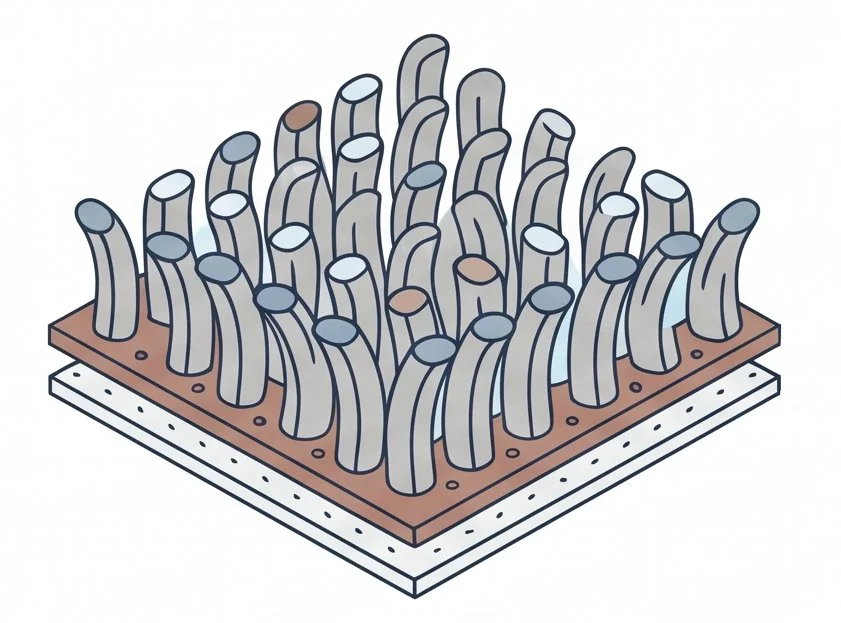
Cut Pile
Loops are sheared, creating a soft, upright surface, ideal for lobbies, luxury guest rooms, corridors and ballrooms where softness is prioritized.
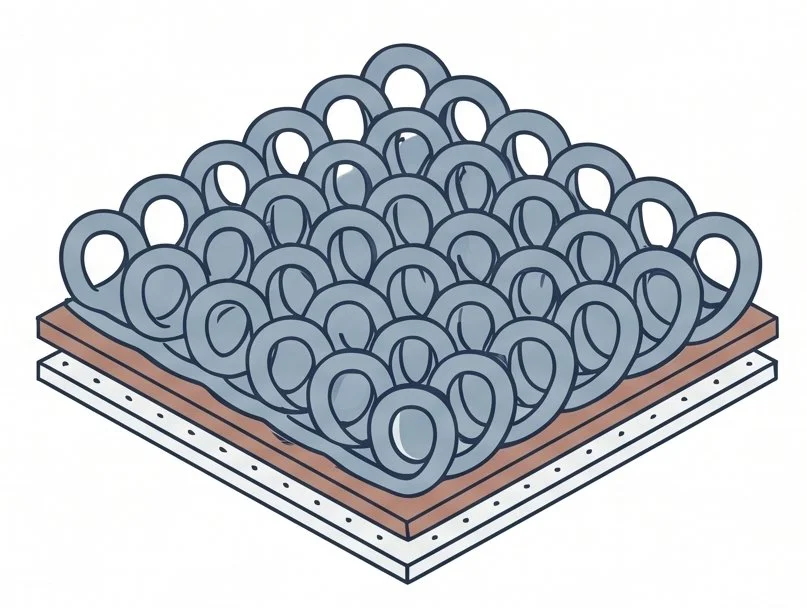
Loop Pile
Yarns remain as continuous uncut loops, with superior resilience against heavy foot traffic and rolling luggage. Ideal for corridors and transition areas.
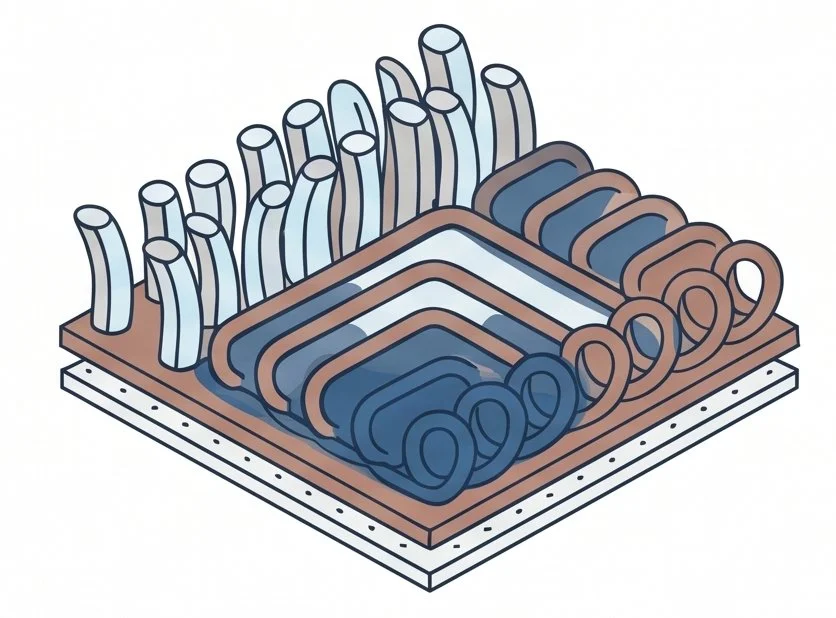
Cut & Loop
Combines sheared unsheared loops to form sculpted textures, disguises soil in high-traffic commercial zones.
Cut Pile: Softness & Luxury
Best Applications
Luxury guest rooms and suites where softness underfoot is the primary guest experience driver
Ballrooms and banquet halls where a refined, formal aesthetic is required
Presidential suites in hand-tufted wool or silk blends for maximum visual impact
Performance Characteristics
Delivers the highest perceived softness and comfort of any construction type
More susceptible to pile flattening in high-traffic zones than loop constructions
Available in a wide range of pile heights from velvet-cut to deep shag
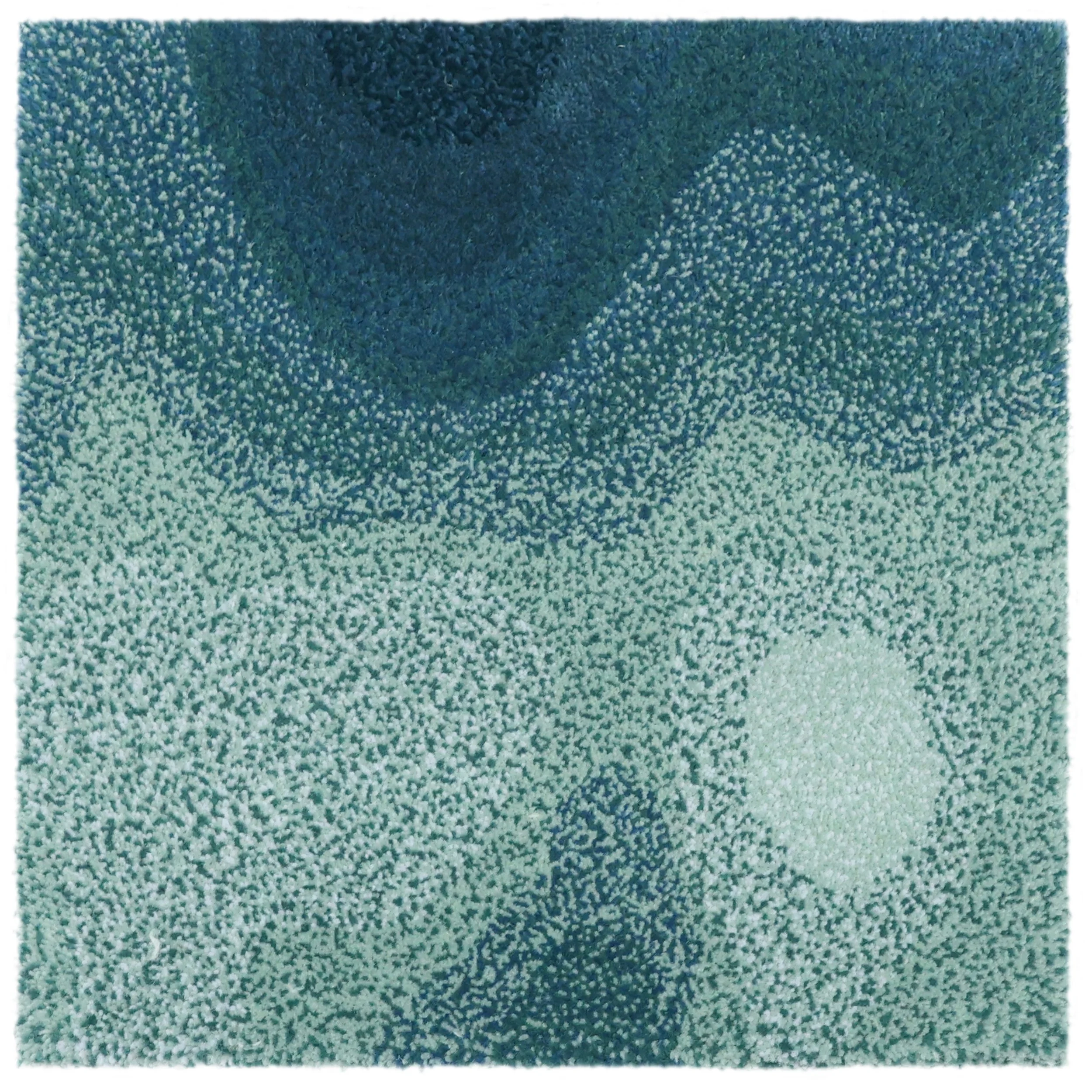
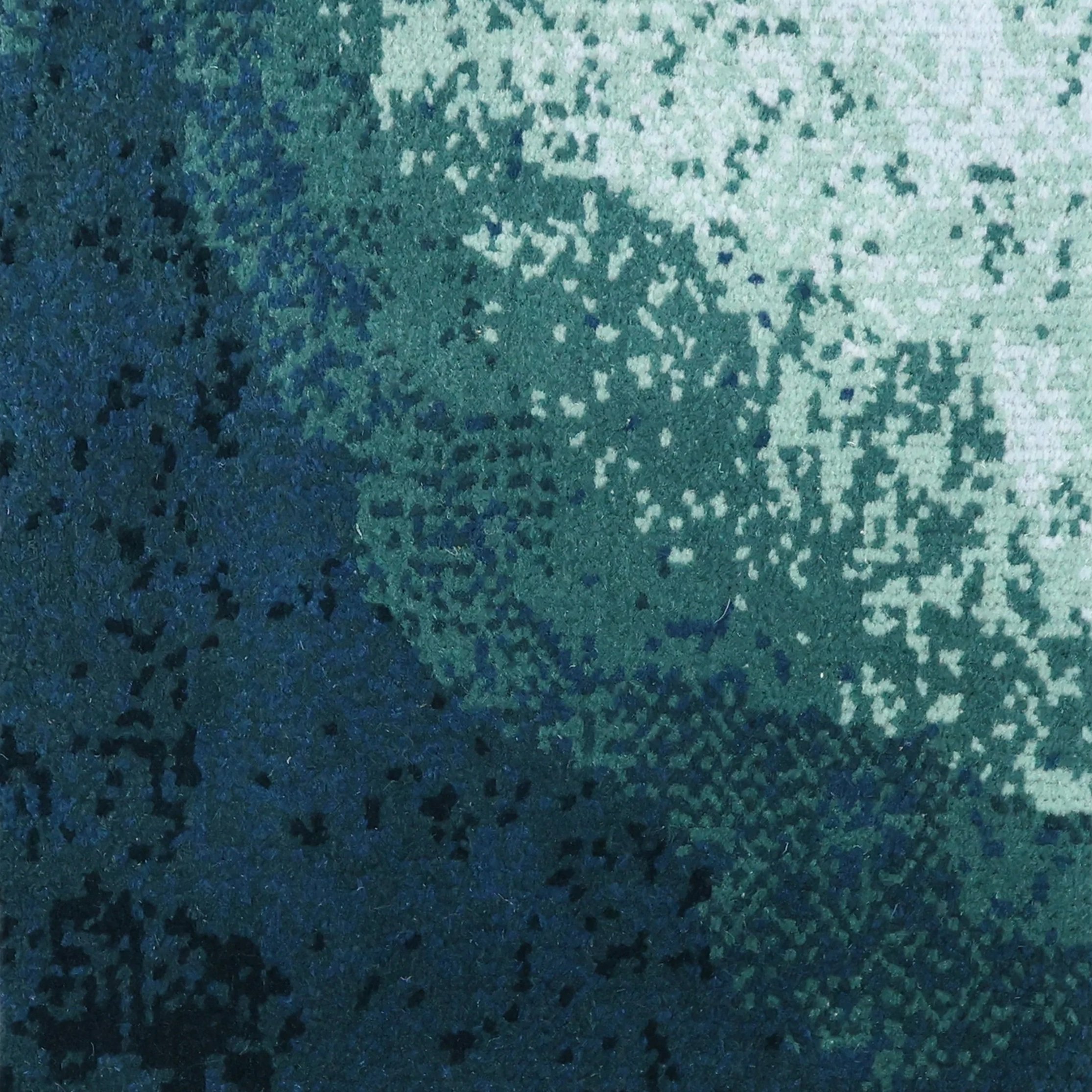
Samples pictured: Designs from our newest collection, Current
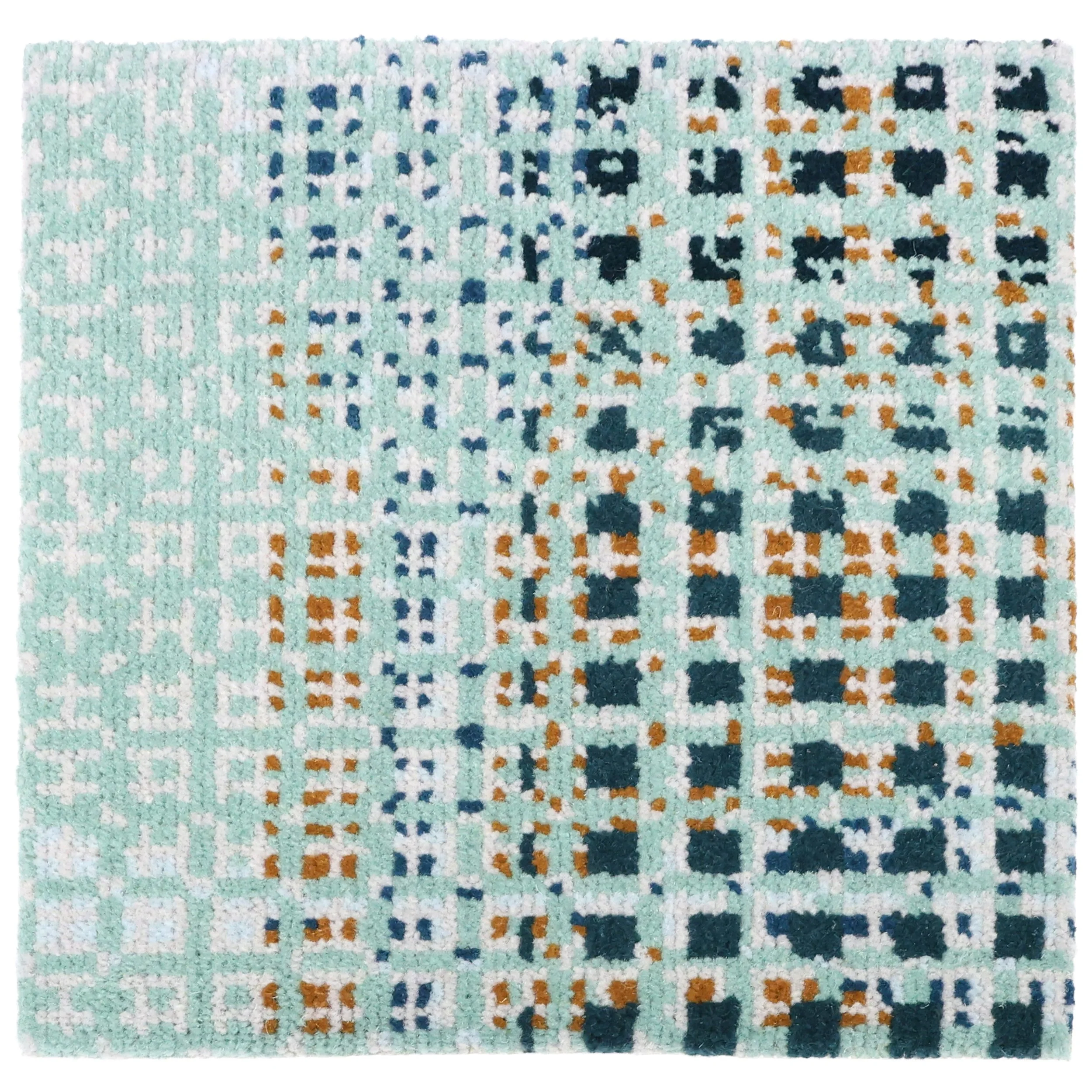
Loop Pile: Resilience & Durability
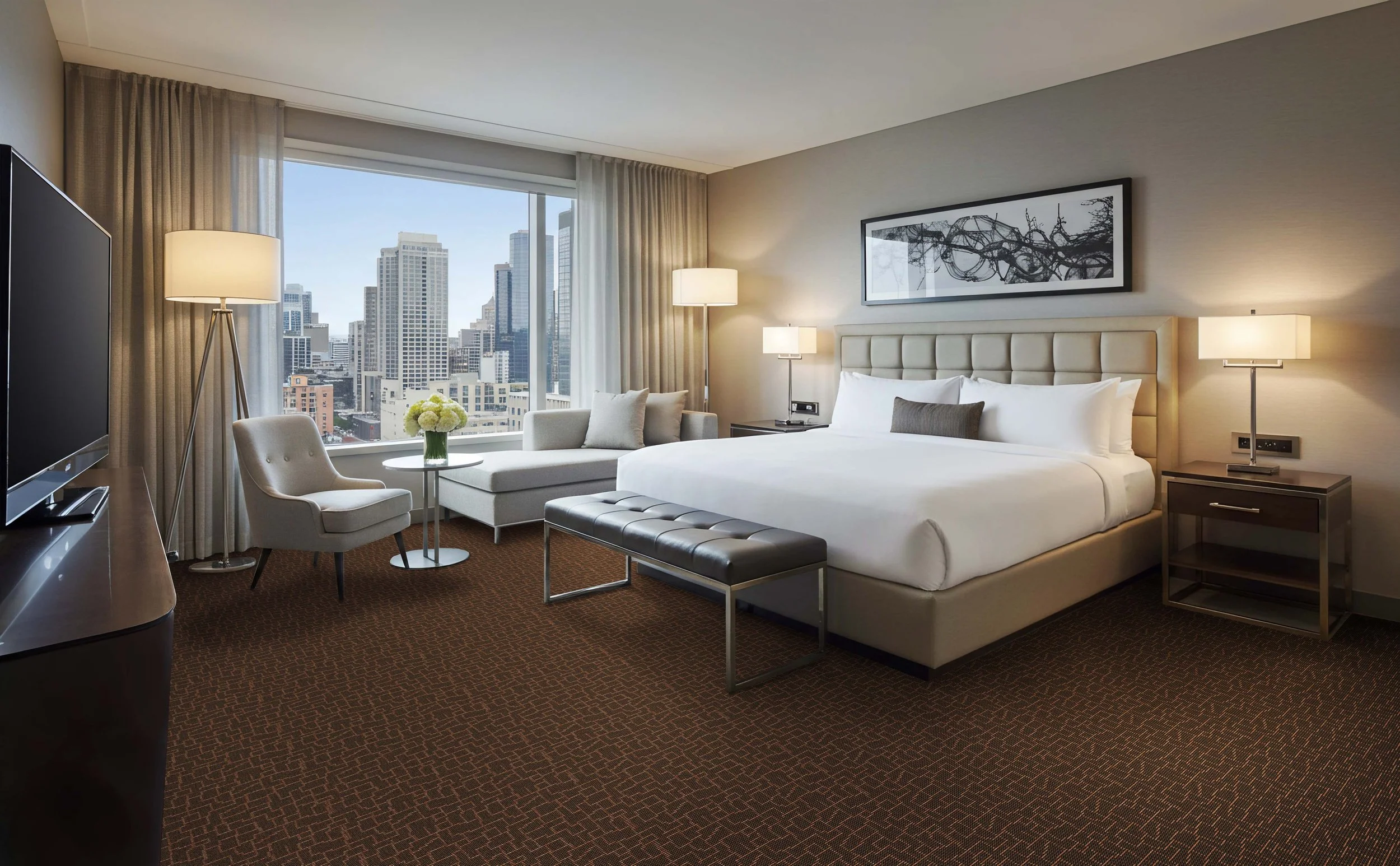
Machine-tufted loop pile carpets are durable and resilient. The continuous, uncut loops are secured into the backing by multiple layers of latex backing to create a tough surface suitable for hospitality areas.
1. Crush Resistance Machine-tufted loop pile resists crushing and appearance loss under traffic.
2. Optimal Spaces Suitable for corridors, guest rooms, meeting spaces.
3. Soil Concealment Patterned loop structures are designed to hide soil within the pile, maintaining a cleaner appearance and reducing necessary cleaning frequency.
Cut & Loop: Dimensional Texture
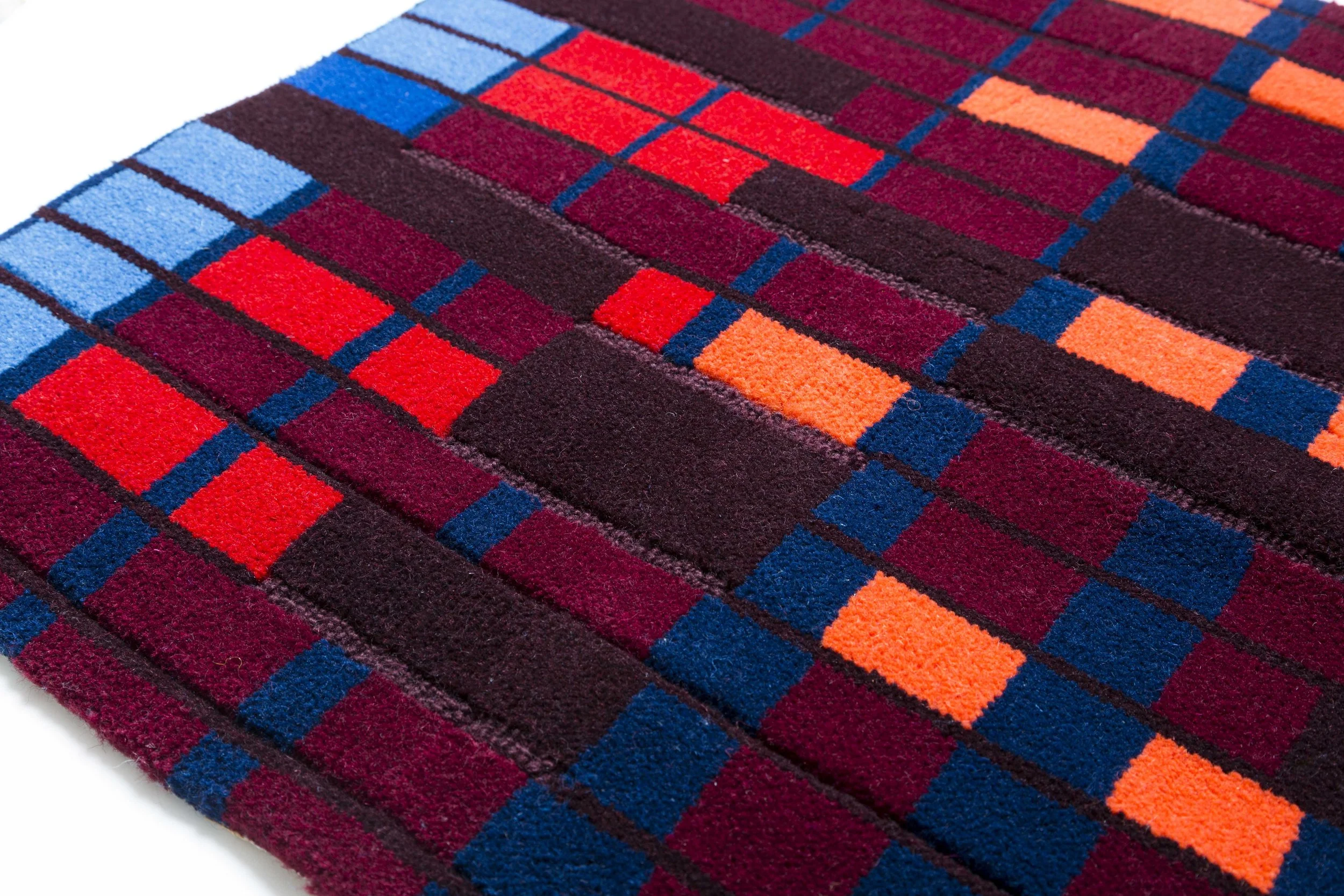
Cut & Loop construction combines sheared and unsheared loops within the same carpet face, creating sculpted, geometric, or organic three-dimensional textures. This hybrid approach is one of the most versatile tools in the hospitality carpet designer's toolkit.
Key Advantages:
3D Texture: Alternating pile heights create visual depth and pattern interest without requiring complex color printing or weaving.
Soil Disguise: The varied surface texture breaks up the visual uniformity that makes soiling immediately apparent on flat cut pile surfaces.
Design Flexibility: Geometric, floral, and abstract motifs can be sculpted directly into the pile, adding a design dimension unavailable in single-construction carpets.
Versatility: Suitable for guest rooms, corridors, and function spaces where both aesthetics and moderate traffic performance are required.

Understanding Pile Reversal & Watermarking
What is Watermarking
Pile reversal — commonly called "watermarking" or "shading" — is a natural optical phenomenon caused by localized foot traffic permanently altering the direction of pile fibers, creating contrasting light and dark shading patches across the carpet surface.
The Critical Distinction
Watermarking is an aesthetic characteristic, not a structural manufacturing defect. It does not indicate a fault in the carpet's construction, fiber quality, or installation. It is an inherent property of cut pile carpets, particularly those with longer pile heights and finer yarns.
Why It Occurs
Foot traffic in specific areas permanently bends pile fibers in localized directions
Bent fibers reflect light differently than upright fibers, creating visible shading contrast
More pronounced in plain or lightly patterned cut pile carpets in large open spaces
Ballrooms and open-plan lobbies are most susceptible due to their scale and pile construction
Understanding Pile Reversal & Watermarking
While watermarking cannot be entirely eliminated in cut pile carpets, its visual impact can be significantly reduced through informed specification choices at the design stage. Watermarking is an aesthetic characteristic, not a structural manufacturing defect. To minimize its visual impact in expansive spaces, choose lower pile heights, cut-and-loop textures, or busy, non-directional patterns.
Choose Lower Pile Heights
Shorter pile fibers have less capacity to bend and deflect light at contrasting angles. Specifying a lower pile height in expansive spaces such as ballrooms and open lobbies reduces the severity of watermarking without sacrificing the cut pile aesthetic.
Specify Cut & Loop Textures
The dimensional surface of cut & loop constructions breaks up the uniform pile direction that makes watermarking visible. The alternating heights create a naturally varied surface that absorbs and disguises localized pile reversal.
Select Busy, Non-Directional Patterns
Complex, multi-color, non-directional patterns — such as traditional Axminster florals or geometric designs — visually mask shading variations by providing a busy background against which subtle pile direction changes are imperceptible.
Key Takeaways: Specifying for Excellence
Exceptional hospitality carpet specification is the result of matching construction, fiber, and pile characteristics precisely to the operational and aesthetic demands of each hotel zone. The following principles summarize the core guidance from this specification matrix.
Match Construction to Traffic
High-density 80/20 wool-nylon Axminster for lobbies and corridors; deep cut pile or hand-tufted luxury for guest rooms and VIP suites.
Never Under-Specify High-Traffic Zones
Premature pile flattening in corridors and lobbies disrupts hotel operations and accelerates costly replacement cycles. Invest in density and fiber quality where it matters most.
Watermarking is Not a Defect
Pile reversal is an inherent aesthetic characteristic of cut pile carpets. Manage it through lower pile heights, cut & loop textures, and busy non-directional patterns in expansive spaces.
Acoustic Performance is a Specification Priority
Dense pile and firm commercial underlays deliver meaningful impact sound reduction in corridors and ballrooms, directly contributing to guest satisfaction and review scores.