
Cut Pile vs Loop Pile vs Cut and Loop Carpet
Cut pile, loop pile and cut and loop describe what happens to the yarn at the surface of a carpet. That one detail changes how the floor feels, how it handles traffic and how much pattern a designer can build in.
These are pile types, which are separate from construction methods. Axminster, tufted and hand tufted describe how the carpet is made, and any of them can carry different pile finishes. Both choices matter, and the right combination depends on the room.
Cut pile has the tops of the yarn loops cut, leaving an upright, smooth surface. It is the softest of the three and has the most formal look, which is why it suits guest rooms and suites where comfort underfoot matters. Hand tufted carpets are often finished this way, with deeper piles for a more luxurious feel.
The trade off is that cut pile can flatten under constant traffic. That does not rule it out for hotels, but pile height, density and fibre need careful thought.
What Is Cut Pile Carpet?
Loop Pile Carpet: Built for Busy Floors
Loop pile leaves the yarn uncut, so the continuous loops spread pressure across the surface and resist crushing. This makes it a practical choice for corridors, elevator lobbies and entrances, where people walk the same route all day and luggage wheels roll over the same strip.
The textured surface also hides small marks between cleans, particularly when paired with a geometric pattern that disguises wear along the centre of a corridor.
What Is Cut and Loop Carpet?
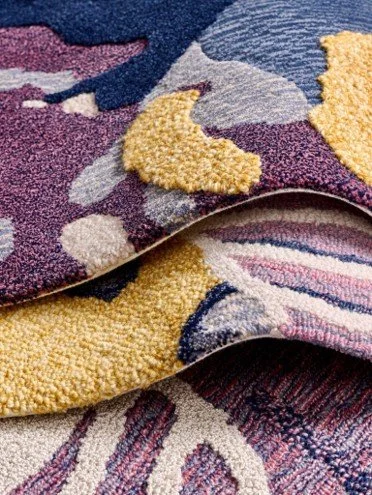
Cut and loop combines both finishes in one surface. The difference in pile height creates texture, depth and pattern without relying on colour alone, so designers
can build in geometric shapes, florals or subtle relief.
It sits between the other two. It is softer than loop, more forgiving of marks than plain cut pile, and works well in guest rooms, suites and moderate traffic corridors.
Machine tufted carpets are a common way to achieve it at scale.
Loop pile generally lasts longer in heavy traffic because its loops resist flattening. Cut pile gives a softer, more luxurious surface but shows crushing sooner in demanding areas.
It is not quite that simple, though. A dense, well specified cut pile can outperform a poor quality loop, and a high quality Axminster carpet can deliver detailed pattern and long term resilience in either finish. Fibre, density, backing and maintenance all play a part.
Cut Pile vs Loop Pile: Which Is More Durable?
Which Carpet Works Best in Each Part of a Hotel?
No single option suits a whole property, but a few combinations come up again and again:
Lobbies and atriums: woven broadloom or modular Axminster, for strength and complex pattern
Corridors and elevator lobbies: high density Axminster in an 80% wool and 20% nylon blend, which resists directional wear and absorbs noise
Ballrooms and function spaces: woven broadloom Axminster, with fewer seams across large areas
Guest rooms: machine tufted cut pile or cut and loop, balancing comfort and cost across hundreds of rooms
Suites and VIP lounges: hand tufted carpet, for bespoke pattern, deeper pile and premium fibres
Choosing the Right Pile for the Room
The best pile type is the one that suits the traffic, the feel and the look you want in that particular space. Royal Thai’s New Traditions collection shows how this plays out in practice, with designs available in both Axminster and hand tufted construction so the same pattern can move from a lobby to a private suite without losing its character.